Wendy Virgen González
Wendy Virgen González
25 Módulo de Ingeniería de Métodos e Inglés terms
This glosary was created for identify the most used words in the English and Methods Engineering module
PD: profe no pudo agregar el audio, no me carga la pronunciación.
- capacity
- Noun
- The working capacity of a process is the maximum load that can be supported by the low system
Specified conditions and for an indefinite period.
- Example: in a pizzeria where they are cooked
Only Pizzas de Muzzarella, the capacity will be given by the amount of raw materials
usable, the number of teachers pizzeros working, useful work tools, the
Interior volume of cooking ovens on, the amount of packaging boxes, quantity
of cash registers and the amount of distributors available. If we suppose
that these resources are balanced, then the capacity of the pizza production process
It will be given by the maximum number of Muzzarella pizzas that can deliver at a normal rhythm
of work. Therefore, the maximum load will be the demand that this process can support.
- es: capacidad

- Components of processes
- adjective
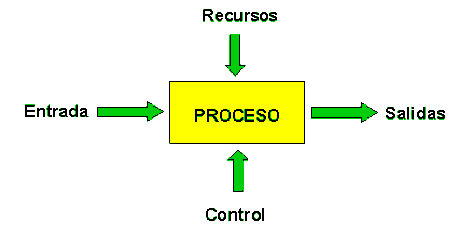
- In any process is an input, a number of tasks, stocks, material flows and
of information, and an output. In addition, it is known that the process can be treated as a system
Closed influenced by the surroundings
- Example: The system input includes work, materials, energy and capital
- es: Componentes de los procesos
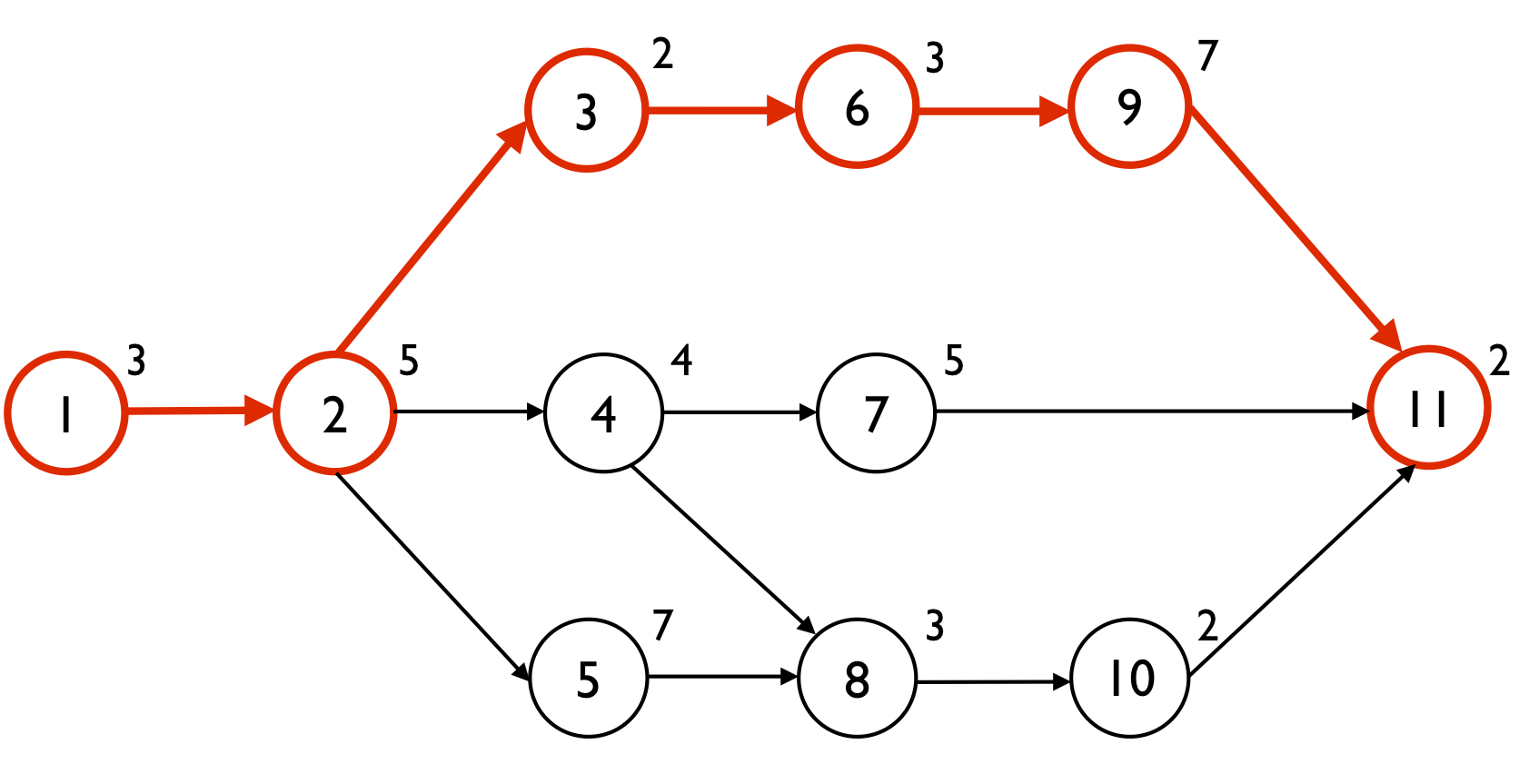
- critical route
- Noun
- consists of the longest sequence of activities from project start to finish that must be completed to ensure the project is finished by a certain time.
- Example: Project Plan for Building a house.
- es: Ruta critica.
- Division of labour
- Noun
- The separation of a work process into a number of tasks, with each task performed by a separate person or group of persons. It is most often applied to systems of mass production and is one of the basic organizing principles of the assembly line.
- Example: 1.Specialization.
2.Efficiency
3. Economies of scale
- es: División de trabajo

- Flowchart
- Noun
- a diagram that represents a set of instructions . Flowcharts normally use standard symbols to represent the different types of instructions.
- Example: how to make a program that indicates the pairs of numbers and show the Nones
- es: diagrama de flujo

- Industrial Engineers
- adverb
- Industrial engineering is the branch of engineering that involves figuring out how to make or do things better.
- Example: An industrial engineer is one who gives improvements and focuses on both the company and the staff
- es: Ingenieros Industriales

- Industrial systems
- Noun
- An industrial system consists of inputs, processes and outputs. Raw materials, labour and costs of land, transport, power and other infrastructure are the inputs. The processes include a wide range of activities that convert the raw materials into finished products
- Example: Automation and industrial robotics
- es: Sistemas industriales

- Measurement of work
- adjective
- The process of establishing the time that a given task would take when performed by a qualified worker working at a defined level of performance.
- Example: Put a date to each of the activities to be carried out
- es: Medición del trabajo.
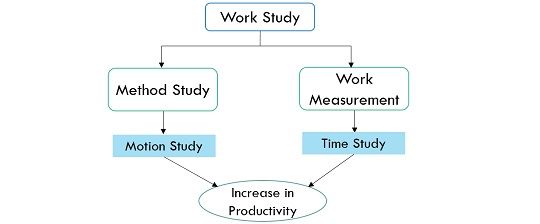
- Objectives of the Study of Methods
- adjective
- Economize the human effort to reduce unnecessary fatigue, in addition to saving in the
Use of materials, machines and labor.
- Example: Increase production and increase the salary
- es: Objetivos del estudio de métodos
- Operations analysis
- Adverb
- Is the study of operational systems with the aim of identifying opportunities for improvement. It has many guises and is sometimes called Operational Research or Industrial Engineering.
- es: Análisis de operaciones
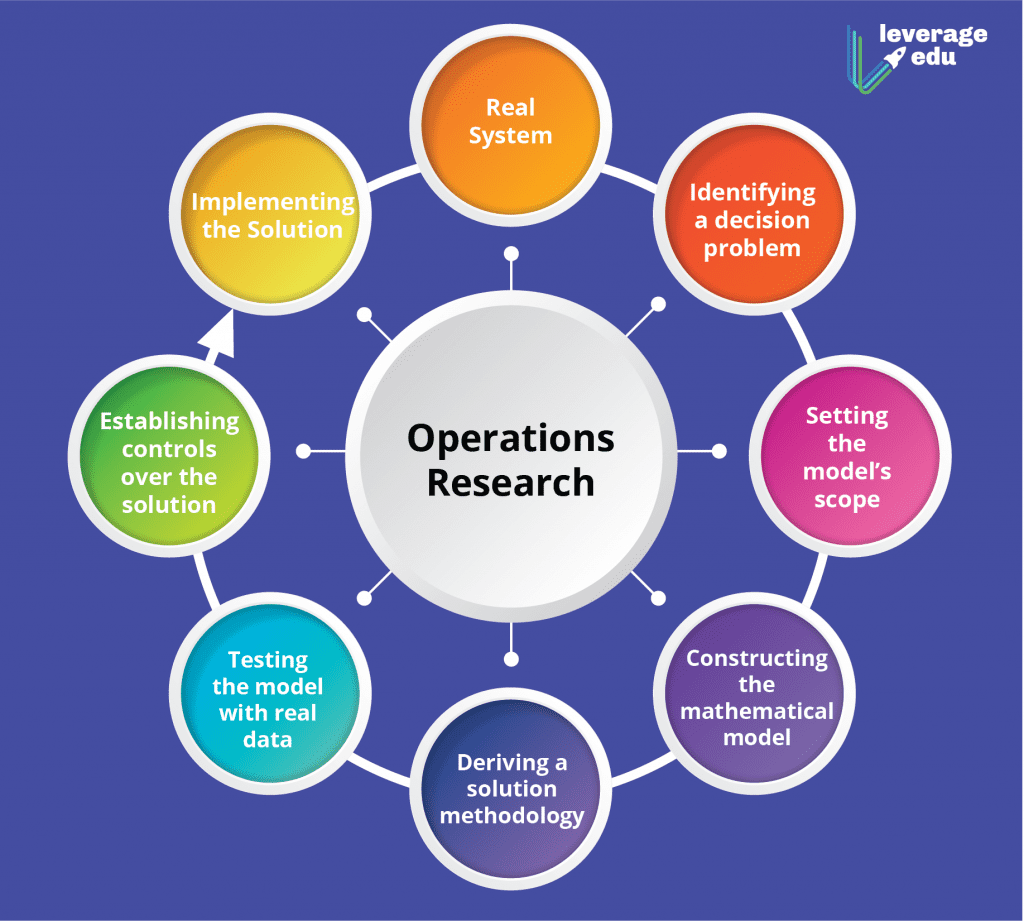
- operations research
- adjective
- Operations research (OR) is an analytical method of problem-solving and decision-making that is useful in the management of organizations. In operations research, problems are broken down into basic components and then solved in defined steps by mathematical analysis.
- Example: "Manage times for the production of any process"
- es: la investigación de operaciones
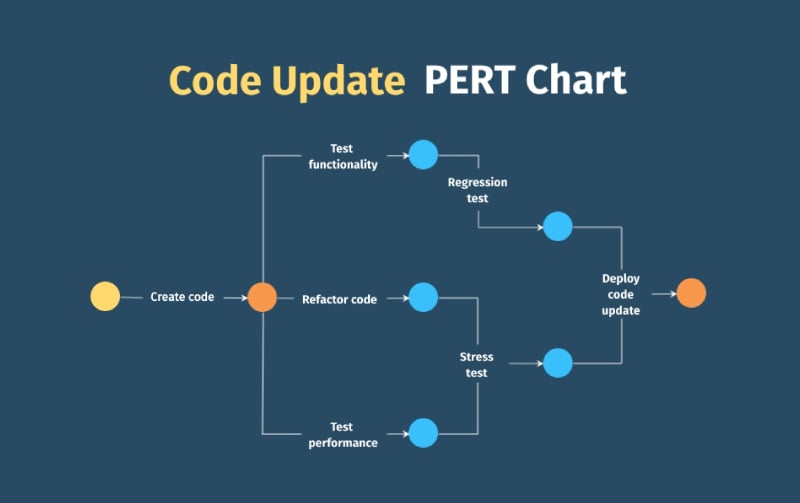
- PERT DIAGRAM
- Adverb
- A PERT chart is a project management tool that provides a graphical representation of a project's timeline. The Program Evaluation Review Technique (PERT) breaks down the individual tasks of a project for analysis. PERT charts are considered preferable to Gantt charts because they identify task dependencies, but they're often more difficult to interpret.
- Example: This diagram can be used to analyze the project of a house
- es: diagrama de pert
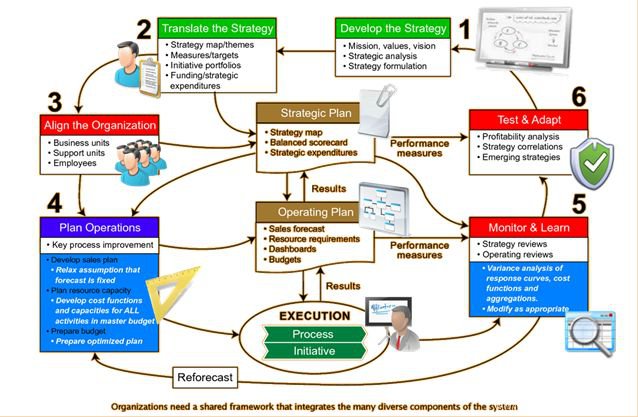
- Primary approaches of operation analysis
- Noun
- The primary focus of the analysis of the operation is considered a procedure used by the
Method engineer to analyze all the productive and non-productive elements of a
Operation overlooking its improvement.
This procedure is so effective in planning new work centers as in the
Improvement of existing
- es: ENFOQUES PRIMARIOS DEL ANÁLISIS DE LA OPERACIÓN

- Principio de Pareto.
- Adjetive
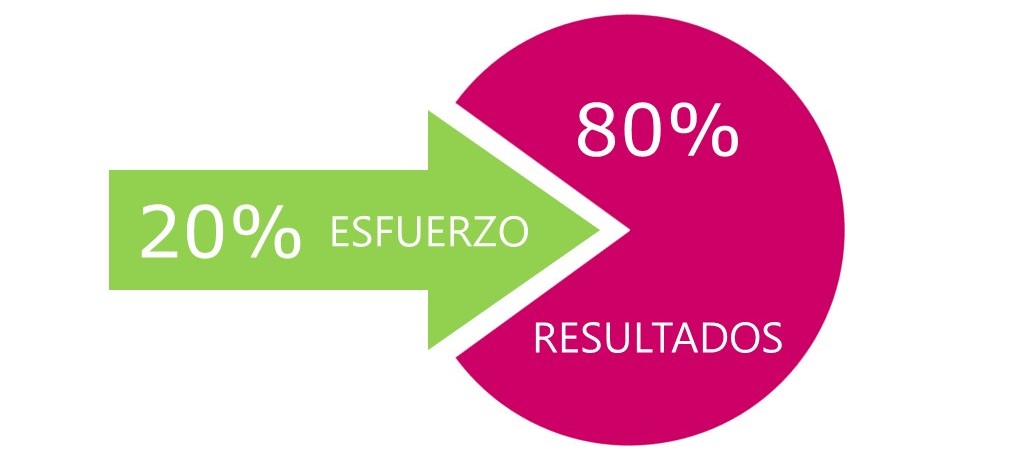
- Originally, the Pareto Principle referred to the observation that 80% of Italy’s wealth belonged to only 20% of the population.
- Example: 0% of the features cause 80% of the usage
- es: Principio de Pareto.
- principle of control
- adjective
- Information system principle that prescribes an accounting system to aid managers in controlling monitoring business activities. Control principle include the concept of internal controls, methods and procedures allowing managers to control and monitor business activities.
- Example: Objectives to which you want to get

- Principle of planning
- adjective
- A planning principle is a statement of a desirable outcome from a chain of reasoning aimed at reaching, or a list of appropriate matters to be considered in making, a planning decision.
- Example: Constant training
- es: Principio de planificación

- Process
- Noun
- A process is a procedure, something you do in order to achieve a certain result. Some people try to carefully follow all the steps in a process. Other people just wing it.
- Example: The results of the elections were still being processed
- es: Proceso
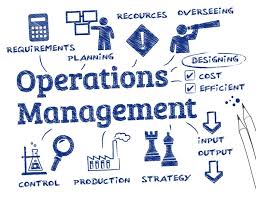
- Production management
- Noun
- also called operations management, planning and control of industrial processes to ensure that they move smoothly at the required level. Techniques of production management are employed in service as well as in manufacturing industries.
- Example: Products or services: A refreshment can
- es: gestion de produccion
- Projects and Manufacturing
- Noun
- It uses tools and processes that are specific to the unique challenges faced by manufacturers. This includes initiating, planning, executing, monitoring, controlling and closing projects.
- Example: It produces hydraulic parts
- es: Proyectos y manofactura

- Quality management
- Noun
- is the act of overseeing all activities and tasks that must be accomplished to maintain a desired level of excellence. This includes the determination of a quality policy, creating and implementing quality planning and assurance, and quality control and quality improvement.
- Example: Personnel competency
- es: Gestión de la calidad
- Rationalization of work
- Noun
- is the reorganization of a company in order to increase its operating efficiency.
- Example: Observe the processes, list those who meet the functions and operate
- es: Racionalización del trabajo.

- Scientific administration
- noun
- Scientific management is a theory of management that analyzes and synthesizes workflows. Its main objective is improving economic efficiency, especially labor productivity.
- Example: Liability and work planning
- es: Administración científica

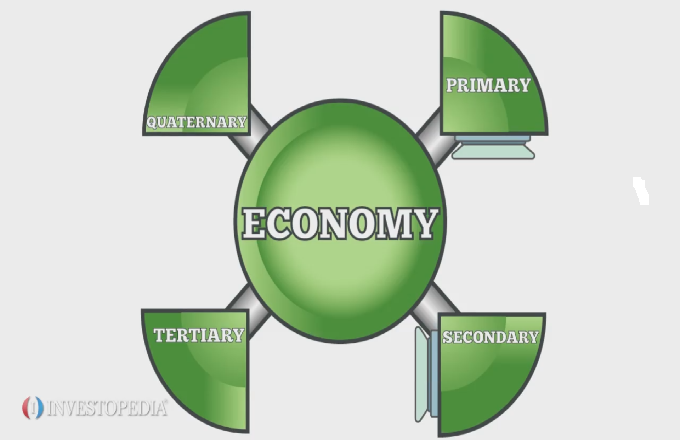
- sectors.
- Noun
- A sector is an area of the economy in which businesses share the same or related business activity, product, or service.
- Example: commercial section
- es: sectores
- Study of movement
- adjective
- the course of a stream. advance or progression in a particular direction; forward or onward movement.
- Example: Critical thoughts and improvement aid
- es: Estudio de movimientos

- Working study
- Noun
- Work study or work analysis is the discipline of industrial engineering that uses various techniques to quantitatively measure or estimate work to increase the amount produced from a given quantity of resources by improving the use of existing resources.
- Example: Analysis, improvement, results
- es: Estudio de trabajo
/what-is-a-market-research-focus-group-2296907-FINAL-2c60eb6a39814a528fc33f625797e2e1.png)